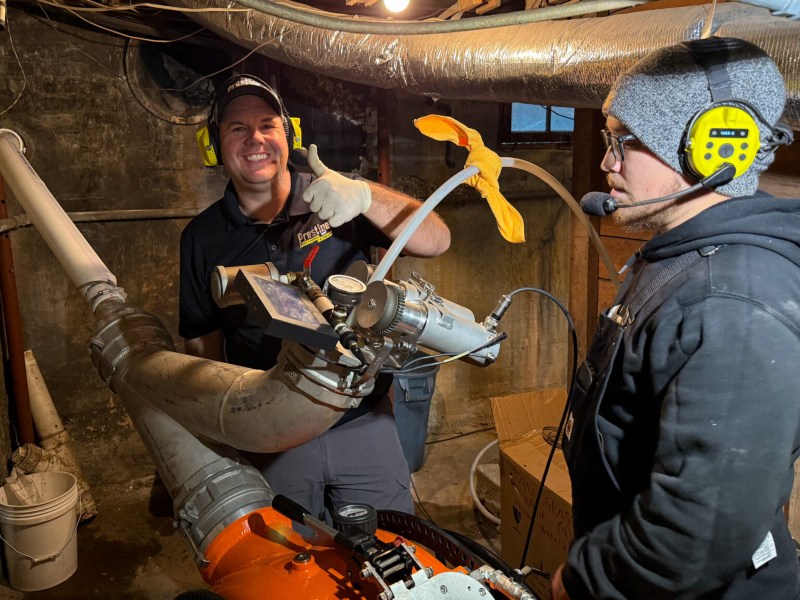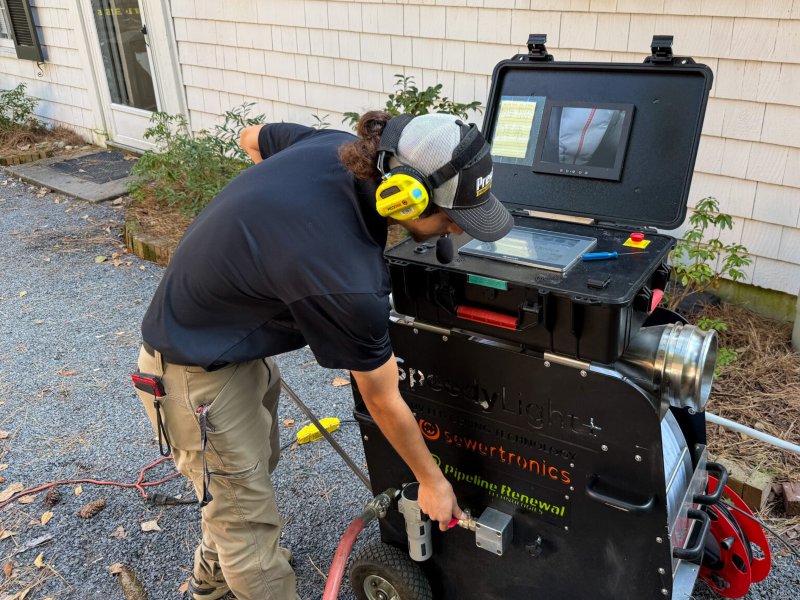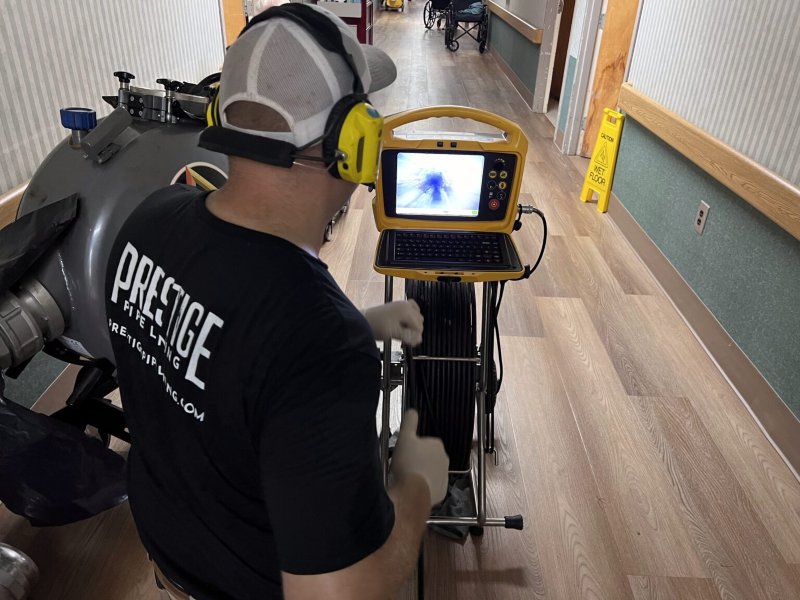
When dealing with deteriorating or damaged pipes, homeowners and businesses typically face two options: traditional pipe replacement or pipe lining. Traditional pipe replacement involves digging trenches, removing damaged sections, and installing new pipes, which can be labor-intensive, costly, and disruptive. On the other hand, pipe lining, also known as trenchless pipe repair, is a modern alternative that restores the functionality of the existing pipes without the need for extensive excavation. This technique inserts a new pipe lining inside the damaged pipe, sealing cracks and preventing future leaks.
Here are five key benefits of choosing pipe lining over traditional pipe replacement.
Less Disruption: Minimizing Damage with Trenchless Technology
One of the most significant advantages of pipe lining is the minimal disruption it causes to property and surroundings. Traditional pipe replacement often requires heavy excavation equipment to dig large trenches, destroying landscaping, driveways, sidewalks, or even interior flooring if pipes run beneath a building. This can lead to costly repairs to not only the pipes but also to the property’s surface.
With trenchless technology, pipe lining eliminates the need for major digging. Instead of tearing up vast sections of your property, technicians only need to access the pipe through small entry and exit points. This means homeowners and businesses can avoid the mess, stress, and time-consuming process of restoring yards, gardens, and hardscapes after completing the project. Whether the pipes are buried beneath a pristine lawn, expensive patio, or delicate structure, pipe lining preserves the property’s aesthetics and integrity.
Faster Completion: Shorter Turnaround Time for Projects
Another benefit of pipe lining is the speed at which the process can be completed. Traditional pipe replacement involves numerous steps: digging trenches, removing old pipes, fitting new pipes, and then backfilling and restoring the ground. Each of these steps can take considerable time, especially if weather conditions or the complexity of the site slow the process down.
Pipe lining, on the other hand, streamlines these steps into a much more efficient process. Since no major excavation is required, most of the time is spent on inspecting the damaged pipe, preparing it for lining, and inserting the new liner. Once the liner is cured, the pipe is ready for use. In many cases, pipe lining can be completed in just a day or two, compared to several days or even weeks for traditional pipe replacement. This quicker turnaround time means less inconvenience for homeowners and less downtime for businesses, allowing them to resume normal operations more swiftly.
Cost-Effectiveness: Lower Overall Cost Compared to Full Pipe Replacement
The cost of pipe repairs is a major factor for most property owners. Traditional pipe replacement can be quite expensive due to the labor and materials involved. The process often requires not only the replacement of pipes but also significant repairs to the property itself after trenches have been dug. Excavation costs, backfilling materials, and landscaping or hardscaping restoration can quickly add up, making the total project budget balloon.
Pipe lining offers a much more cost-effective solution. According to our friends at Thomas Plumbing, there is little to no excavation involved, and labor costs are significantly reduced. Furthermore, fewer materials are needed for the project since the focus is on reinforcing existing pipes rather than replacing them entirely. In addition, the property doesn’t require expensive repairs once the pipe work is complete, which can lead to substantial savings. In essence, pipe lining delivers long-term pipe restoration at a fraction of the cost of traditional pipe replacement.
Enhanced Durability: Extending the Lifespan of Existing Pipes
One of the key concerns with traditional pipe replacement is the longevity of the new pipes. While newer pipes might seem like a fresh start, they are subject to the same risks of corrosion, root invasion, and other forms of wear and tear as the original pipes. Pipe lining, however, addresses these issues by reinforcing the existing pipe infrastructure with a durable and corrosion-resistant liner.
The materials used in pipe lining, such as epoxy resin, are engineered to last. They create a seamless barrier inside the pipe, sealing any existing cracks or leaks and preventing further damage from external factors. This can extend the lifespan of the pipe by several decades. Furthermore, because the liner forms a “pipe within a pipe,” it also resists future root intrusions, corrosion, and scaling, making it a highly effective solution for long-term pipe preservation.
Eco-Friendly Solution: Minimizing Environmental Impact
Lastly, pipe lining is an eco-friendly alternative to traditional pipe replacement. The excavation required for traditional methods not only disrupts the immediate environment but can also contribute to soil erosion, water contamination, and other ecological disturbances. Heavy machinery used in excavation releases pollutants into the air and can create noise pollution, affecting local ecosystems and communities.
Trenchless pipe lining significantly reduces the environmental footprint of the repair process. By eliminating the need for digging, it protects natural habitats, conserves soil, and reduces the amount of waste generated. Moreover, fewer materials are used, and less debris is produced, making pipe lining a sustainable option for property owners looking to reduce their impact on the environment.
Conclusion
Choosing pipe lining over traditional pipe replacement offers several compelling advantages, from minimizing disruption to lowering costs and ensuring a faster, more efficient repair process. With its ability to preserve property, extend the lifespan of existing pipes, and reduce environmental impact, pipe lining is becoming the preferred choice for many homeowners and businesses. Whether you’re looking to address a small crack or rehabilitate an entire pipe system, trenchless technology provides a modern, cost-effective, and eco-friendly solution that outperforms traditional methods in multiple ways.