When homeowners hear the term “robotic cutter,” it can sound like something out of a science fiction movie. In reality, robotic cutters are one of the most important tools in modern trenchless pipe rehabilitation. They help restore damaged sewer lines without tearing up landscaping, driveways, sidewalks, or floors.
At Prestige Pipe Lining in Aberdeen, NC, we use advanced trenchless technologies to repair underground pipes with minimal disruption. Robotic cutters play a critical role in making pipe lining successful and helping homeowners avoid costly excavation projects.
The Problem: Damaged Pipes Hidden Underground
Most property owners don’t think about their sewer lines until something goes wrong. Slow drains, recurring backups, foul odors, and soggy areas in the yard can all point to problems below the surface.
Traditionally, repairing these issues often meant digging trenches across yards, landscaping, parking lots, or even through parts of a building. The process was expensive, disruptive, and time-consuming.
Today, trenchless pipe lining offers a better solution. Instead of replacing the entire pipe through excavation, a new pipe is created inside the existing one using cured-in-place pipe (CIPP) technology. Once the liner is installed and cured, robotic cutters help complete the restoration process.
The Guide: Understanding Robotic Cutters
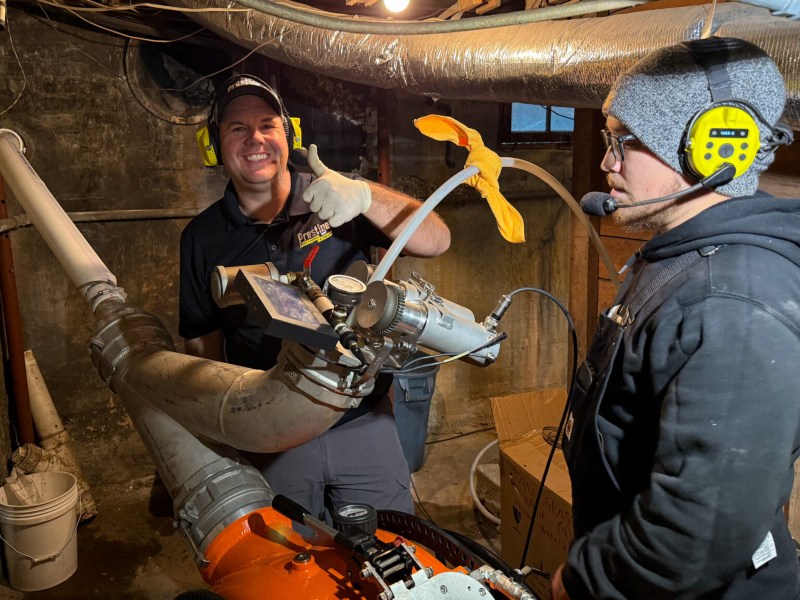
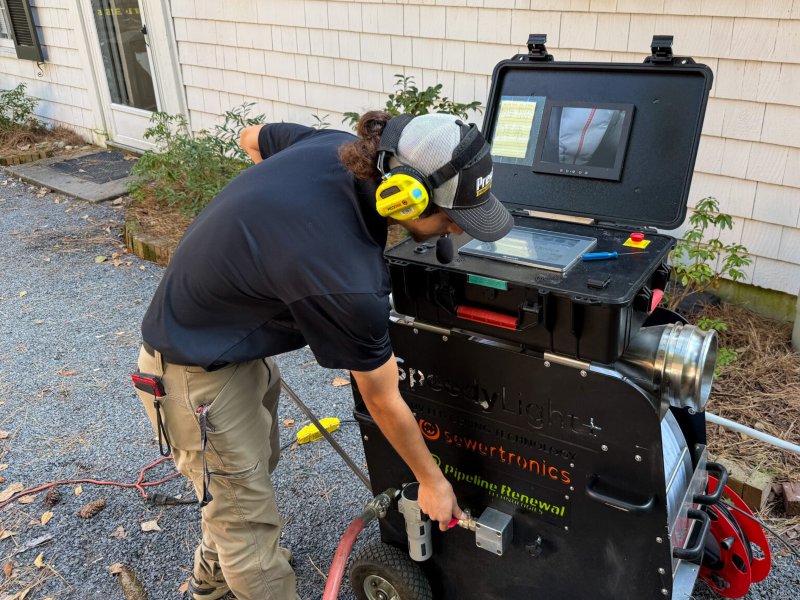
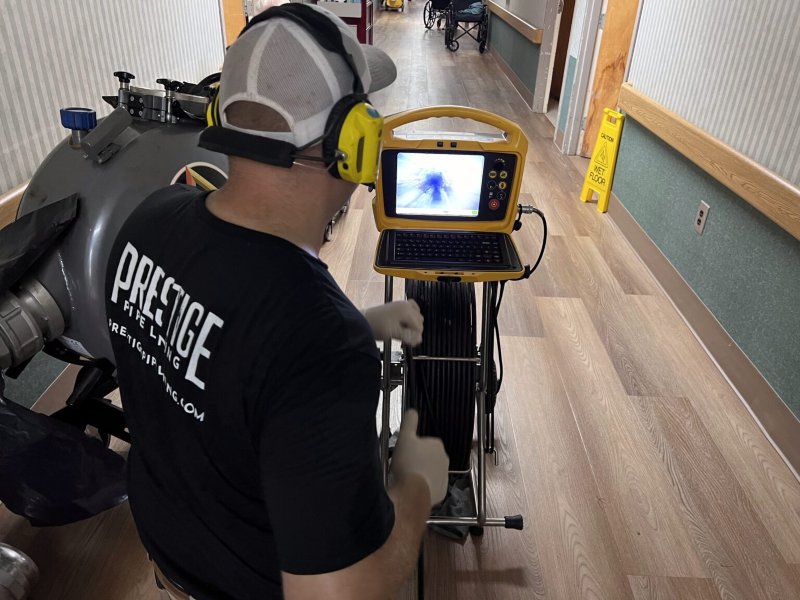
A robotic cutter is a remotely operated device equipped with cameras and specialized cutting tools. It travels through underground pipes and performs precision work that would otherwise require excavation. Operators control the cutter from above ground while viewing live video footage from inside the pipe.
Think of it as a highly specialized surgical tool for sewer systems.
These machines can navigate pipes, identify specific problem areas, and make precise cuts without disturbing the surrounding property.
What Robotic Cutters Actually Do
A common misconception is that a robotic cutter is used to prepare pipes for cured-in-place pipe (CIPP) lining. In reality, the robotic cutter is used only after the pipe lining process is complete. It is a highly specialized piece of equipment designed specifically for the post-lining reinstatement process.
Before a liner is installed, the pipe must be properly prepared. Depending on the condition of the sewer or drain line, technicians use a milling machine, a hydro-jetter, or a combination of both to remove debris, grease buildup, mineral deposits, offsets, or intrusive tree roots. These tools restore the pipe’s interior so the liner can be installed correctly and bond securely to the existing pipe.
Once the liner has cured, however, any branch lines or service connections covered by the new liner must be reopened. This is where the robotic cutter comes in.
How the Robotic Cutter Supports Post-Lining Reinstatement
The robotic cutter is equipped with a remotely controlled cutting head and a high-definition camera, allowing technicians to navigate through the newly lined pipe with precision. Rather than cleaning or preparing the pipe, its sole purpose is to accurately reinstate branch connections without damaging the new liner.
The robotic cutter helps the reinstatement process by:
- Precisely reopening branch line connections that were temporarily sealed by the cured liner.
- Protecting the integrity of the new liner by making accurate, controlled cuts instead of unnecessary excavation or manual methods.
- Using live camera guidance so technicians can identify each branch connection and cut only where needed.
- Maintaining proper wastewater flow by restoring every lateral connection to full functionality.
- Reducing the need for excavation, allowing most reinstatement work to be completed from an existing cleanout or access point.
- Providing consistent, accurate results, even in long or complex pipe systems with multiple branch connections.
- Speeding up project completion, since reinstatement can be performed efficiently without disrupting the newly installed liner.
Understanding Each Tool’s Role
Each piece of equipment in a trenchless pipe lining project serves a different purpose:
- Hydro-jetters remove grease, sludge, scale, and other debris with high-pressure water.
- Milling machines mechanically remove hard obstructions, offsets, protruding taps, and invasive tree roots that cannot be cleared with water alone.
- Robotic cutters are used only after the liner has cured to reinstate branch-line openings and complete the pipe-lining installation.
Why Homeowners Love the No-Dig Approach
The biggest advantage of robotic cutting technology is that it supports truly trenchless repairs.
Instead of digging up your property, technicians access the sewer system through existing cleanouts or access points. The robotic cutter travels through the pipe itself, completing work from the inside.
That means:
- No destroyed landscaping
- No broken driveways
- No torn-up patios
- Less disruption to daily life
- Faster project completion
- Reduced restoration costs
For many homeowners, avoiding excavation is just as valuable as fixing the pipe itself.
Precision Matters
Modern robotic cutters are equipped with cameras, lighting systems, and precision cutting heads that allow operators to perform highly accurate work. Technicians can identify exact locations inside the pipe and make targeted repairs without affecting surrounding areas.
This level of precision helps ensure:
- Proper reopening of lateral connections
- Accurate removal of obstructions
- Improved liner performance
- Long-lasting sewer rehabilitation
In many cases, the finished result is a restored pipe system with decades of expected service life.
Is Robotic Cutting Right for Every Pipe Problem?
While robotic cutters are incredibly versatile, they are typically used as part of a larger trenchless rehabilitation process.
A professional sewer camera inspection is the first step. The inspection helps determine:
- The condition of the existing pipe
- Whether pipe lining is appropriate
- The location of blockages or damage
- What preparation work is required
At Prestige Pipe Lining, we evaluate each sewer system individually to recommend the most effective and cost-efficient solution.
The Bottom Line
Robotic cutters are one of the technologies that make modern trenchless pipe rehabilitation possible. They remove roots, clear obstructions, prepare pipes for lining, and reopen critical branch connections—all without extensive excavation.
For homeowners and property managers in Aberdeen, NC, that means fewer disruptions, lower restoration costs, and a faster path to reliable sewer service.
If you’re dealing with recurring sewer problems or want to learn whether trenchless pipe lining is right for your property, Prestige Pipe Lining can help. Our advanced no-dig solutions are designed to restore your pipes while protecting the property you’ve worked hard to maintain.