When it comes to home maintenance, plumbing is often out of sight and out of mind—until there’s a problem. A clogged drain can disrupt daily routines, create unpleasant odors, and lead to costly repairs if left untreated. One of the most effective ways to avoid these issues is regular drain cleaning and maintenance. In this article, we’ll explore the importance of routine drain cleaning, how it works, and why it’s essential for preventing major plumbing issues.
The Importance of Drain Cleaning
Drains play a crucial role in your plumbing system, ensuring that wastewater from sinks, showers, toilets, and appliances like dishwashers and washing machines flows smoothly out of your home and into the sewer or septic system. Over time, various substances such as grease, soap scum, food particles, hair, and other debris can build up inside your drains, slowing the flow of water and eventually leading to clogs. Regular drain cleaning helps to remove these obstructions before they become severe problems.
Why is regular drain cleaning important?
- Prevents Clogs and Blockages: The most obvious benefit of regular drain cleaning is the prevention of clogs and blockages. When debris builds up in your drains, water flow is restricted, leading to slow drains, backups, or complete blockages. A professional drain cleaning service removes this buildup, keeping your drains clear and preventing the need for emergency plumbing services.
- Reduces Foul Odors: As food, grease, and other organic matter accumulate in your drains, they can begin to break down and decompose, causing unpleasant odors to emanate from your sinks and drains. Regular cleaning helps eliminate these materials, reducing the risk of foul smells wafting through your home.
- Extends the Life of Your Plumbing: A well-maintained plumbing system lasts longer and functions more efficiently. When drains are regularly cleaned, pipes are less likely to corrode, develop leaks, or require expensive repairs. By removing buildup, you’re reducing the strain on your pipes and extending their lifespan.
- Prevents Water Damage: When drains are clogged, wastewater can back up into your sinks, tubs, or toilets. This not only creates a mess but can also lead to significant water damage in your home. Overflowing drains can cause water to seep into walls, floors, and ceilings, leading to mold growth, structural damage, and expensive repairs. Regular drain cleaning helps prevent these costly disasters.
Common Causes of Drain Blockages
Understanding what causes drain blockages can help you take steps to prevent them. Here are some of the most common culprits:
- Grease and Fat: Grease is one of the leading causes of kitchen drain clogs. When hot grease is poured down the drain, it cools and solidifies, sticking to the walls of your pipes. Over time, this buildup narrows the pipe, restricting water flow. Grease can also trap food particles, leading to more severe blockages.
- Hair: Hair is a common cause of clogs in bathroom drains. When hair is washed down the drain, it can become tangled and combined with soap scum, leading to slow drainage or blockages. This is particularly problematic in shower and bathtub drains.
- Soap Scum: Over time, soap can leave a residue that builds up inside your pipes. This residue, known as soap scum, can combine with other debris like hair and dirt to form stubborn clogs in bathroom sinks, showers, and tubs.
- Food Waste: Even if you have a garbage disposal, food waste can still cause drain clogs. Starchy or fibrous foods like potato peels, rice, and celery are especially problematic, as they can become sticky or tangled in your pipes.
- Foreign Objects: Items like toys, jewelry, paper towels, and sanitary products can easily be flushed down toilets or washed into drains, causing serious blockages. These foreign objects often become lodged in the pipes, leading to backups and potential damage.
- Tree Roots: In outdoor drains or sewer lines, tree roots can be a significant issue. Roots naturally seek out sources of moisture and can infiltrate small cracks in your pipes. Once inside, they grow and expand, eventually blocking the pipe completely and leading to major plumbing problems.
How Regular Drain Cleaning Works
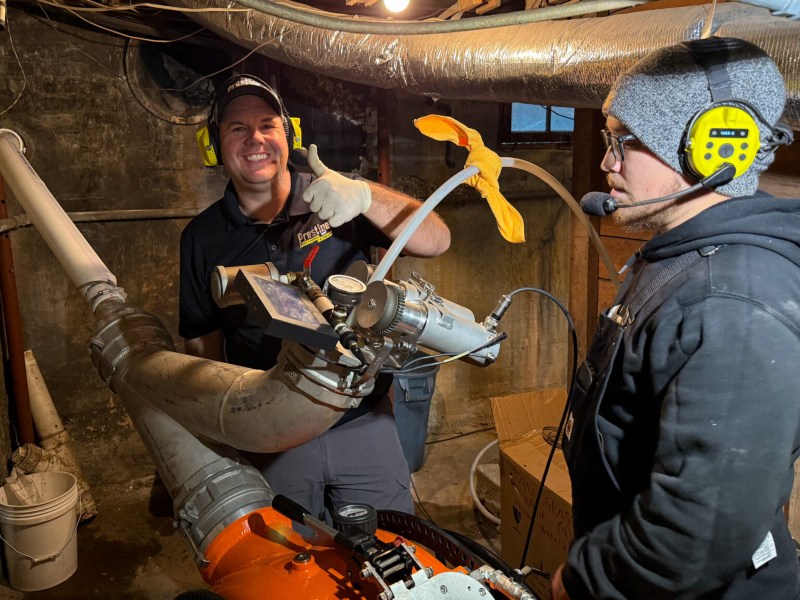
There are several methods for cleaning drains, ranging from DIY techniques to professional services. While homeowners can handle minor clogs using tools like plungers or drain snakes, more serious or recurring issues require professional attention. Here’s how professional drain cleaning works:
- Drain Snaking (Augering): A drain snake, or auger, is a long, flexible tool that’s inserted into the drain to break up and remove clogs. It’s especially useful for removing hair or small objects lodged in the pipe. Professional-grade augers are more powerful than consumer versions and can reach deep into your plumbing system to clear tough blockages.
- Hydro Jetting: Hydro jetting is a highly effective method for cleaning drains using high-pressure water. A hydro jet machine blasts a powerful stream of water through the pipes, dislodging grease, soap scum, and other debris from the pipe walls. This technique is especially useful for severe clogs and tree root infiltration, as it thoroughly cleans the interior of the pipe.
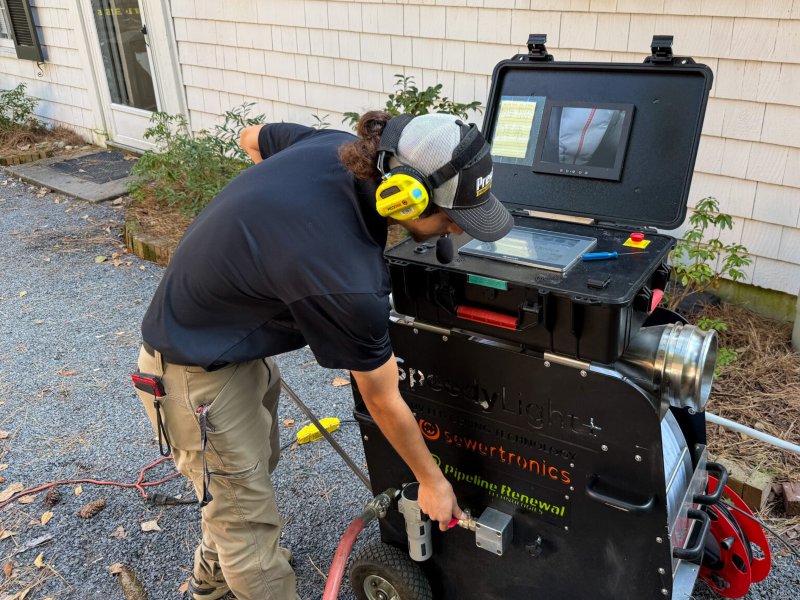
- Camera Inspection: Before or after cleaning, plumbers may use a small camera attached to a flexible cable to inspect the inside of your pipes. This allows them to identify the cause of the blockage and ensure that the drain is completely clear. Camera inspections are also helpful for diagnosing larger issues like cracks, leaks, or tree root intrusion.
- Chemical Cleaners: In some cases, plumbers may use chemical drain cleaners to break down clogs. However, these should be used sparingly and only by professionals, as harsh chemicals can damage pipes if not used properly. Environmentally friendly cleaning solutions are becoming more common and offer a safer alternative for both your plumbing and the environment.
The Benefits of Regular Professional Drain Cleaning
While there are some minor drain issues you can address on your own, regular professional drain cleaning offers several key benefits. Our friends at Master Plumbing have provided us with some of the advantages of professional drain cleaning.
- Thorough Cleaning: Professional plumbers have access to specialized equipment that can remove even the toughest clogs and thoroughly clean your pipes. DIY methods often provide only a temporary fix, while professional cleaning ensures that your pipes remain clear for a longer period.
- Early Detection of Problems: Regular drain cleaning allows plumbers to identify potential issues like small leaks, cracks, or pipe corrosion before they turn into major problems. Early detection can save you from more costly repairs or the need to replace damaged pipes.
- Cost Savings: Regular drain cleaning is an investment in the long-term health of your plumbing system. By preventing clogs, backups, and water damage, you can avoid the higher costs associated with emergency plumbing services and major repairs.
- Peace of Mind: With regular drain cleaning, you don’t have to worry about unexpected plumbing emergencies disrupting your home. Knowing that your drains are well-maintained provides peace of mind, allowing you to focus on other aspects of home care.
Conclusion
Understanding the importance of regular drain cleaning and maintenance is essential for avoiding major plumbing issues. Clogged drains, unpleasant odors, and potential water damage can be costly and inconvenient, but routine maintenance helps to prevent these problems before they escalate. Whether through DIY methods or professional services, cleaning your drains regularly keeps your plumbing system running smoothly, extends the life of your pipes, and ensures that your home remains free from avoidable plumbing disasters.