For businesses, infrastructure upkeep is a crucial aspect of maintaining smooth operations. One often overlooked area in facility maintenance is the plumbing system, specifically the pipes that carry water, waste, and other materials through commercial properties. Over time, pipes can corrode, crack, or become obstructed, leading to significant issues such as leaks, water damage, and even costly shutdowns. Pipelining, a modern, non-invasive repair solution, offers businesses an effective way to restore deteriorating pipes without the need for full replacements. By reducing downtime and minimizing disruptions, pipe lining keeps commercial operations running smoothly and saves businesses valuable time and resources.
Understanding Pipe Lining: What It Is and How It Works
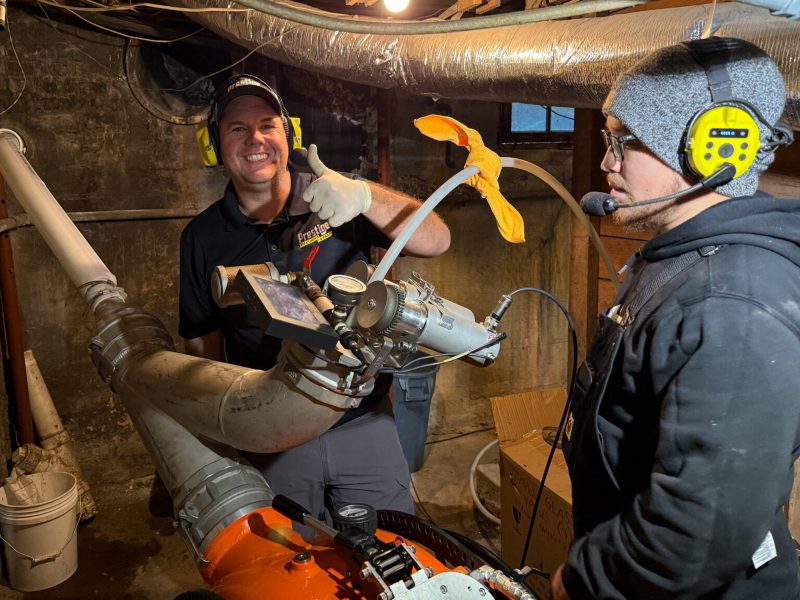
Pipe lining is a trenchless pipe repair method that involves creating a new, durable layer inside existing pipes. Unlike traditional methods that require extensive digging or removal of damaged pipes, pipe lining is minimally invasive. The process typically involves cleaning the damaged pipe, inserting an epoxy-saturated liner into it, and curing the liner to form a new, structural pipe within the old one.
Our friends at Hoffman Brothers have provided us with the main stages of the pipe-lining process:
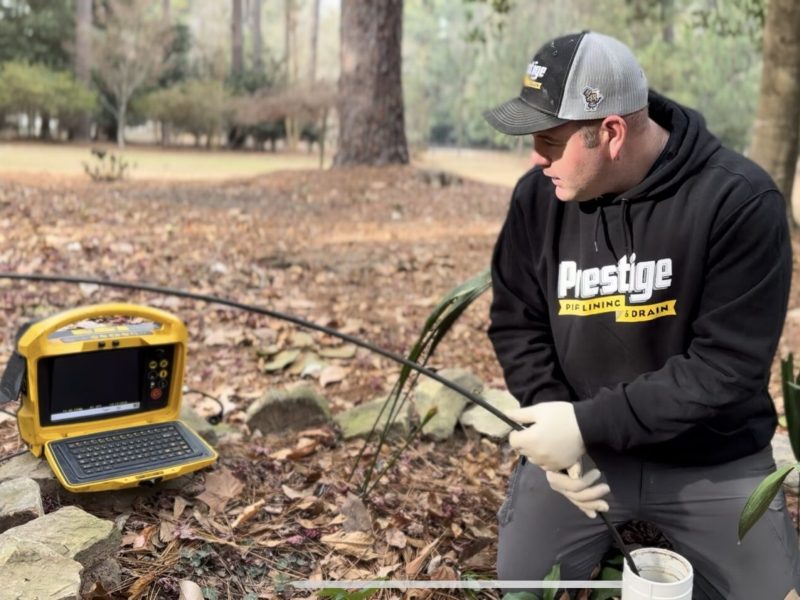
- Inspection: Technicians use cameras to inspect the inside of the pipes and identify the damaged areas, determining whether the pipe lining is a suitable solution.
- Cleaning: Any debris, rust, or buildup inside the pipe is removed to ensure a smooth surface for the lining.
- Insertion: A flexible liner coated with epoxy is inserted into the existing pipe.
- Curing: The epoxy is cured (often with heat or UV light) to harden the liner, creating a seamless new pipe within the old one.
The entire process can be completed relatively quickly and without the need for disruptive digging, making it ideal for businesses that prioritize minimizing downtime.
Key Benefits of Pipe Lining for Businesses
- Minimizes Operational Downtime
One of the biggest advantages of pipe lining for businesses is that it minimizes operational downtime. Traditional pipe repair methods often involve extensive digging or demolition, which can take days or even weeks to complete. This level of disruption can impact a business’s productivity, customer experience, and profitability, especially in industries like hospitality, healthcare, or retail where functioning plumbing is essential.
Pipe lining, by contrast, is a faster and less invasive process. Because it doesn’t require excavating floors, walls, or outdoor areas, pipe lining allows repairs to be completed with minimal disruption to normal operations. For businesses that cannot afford prolonged downtime, such as hospitals or hotels, pipe lining is a valuable option to maintain uninterrupted service.
- Cost-Effectiveness
In addition to minimizing downtime, pipe lining is often more cost-effective than traditional pipe replacement. Excavation and replacement of damaged pipes can require significant labor and equipment costs, as well as restoration expenses for floors, walls, and landscaping. In many cases, pipe lining can reduce these costs by eliminating the need for extensive digging or repair of surrounding structures.
Furthermore, pipe lining can extend the lifespan of existing pipes by creating a durable, corrosion-resistant barrier. Businesses benefit from a longer-lasting plumbing system without the need for full-scale replacements. This cost-saving factor is particularly attractive for businesses with aging infrastructure, where frequent repairs might otherwise add up to significant expenses over time.
- Environmentally Friendly
Pipe lining is an environmentally friendly solution compared to traditional pipe replacement. By reusing the existing pipe structure, pipe lining reduces the need to discard old pipes in landfills and limits the consumption of new materials. Moreover, the epoxy resins used in pipe lining are designed to be safe and eco-friendly, reducing the environmental impact of plumbing repairs.
For businesses aiming to reduce their carbon footprint, pipe lining offers a sustainable way to maintain infrastructure while supporting environmental responsibility. By avoiding unnecessary excavation, pipe lining also prevents the destruction of landscapes, sidewalks, and other surrounding areas, further contributing to a reduced environmental impact.
- Enhanced Pipe Durability and Longevity
Pipe lining strengthens the existing plumbing infrastructure, effectively creating a “pipe within a pipe” that is resistant to leaks, corrosion, and root intrusion. This new, structural lining is highly durable and designed to last for decades, even under continuous use. Epoxy-lined pipes can resist the wear and tear that traditional materials face, offering enhanced protection against common issues like rust and mineral buildup.
For businesses, this durability translates into fewer repairs and replacements in the future, reducing the likelihood of emergency repairs that could interrupt daily operations. By investing in pipe lining, companies can maintain a robust plumbing system that serves their needs reliably for years to come.
- Improves Water Flow and Efficiency
In older pipes, years of mineral deposits, rust, and other buildups can restrict water flow, leading to reduced efficiency and higher energy costs for systems that depend on water circulation, such as heating and cooling systems. Pipe lining addresses this issue by removing buildup and creating a smooth, new surface that optimizes water flow.
For businesses that rely on efficient water flow—such as restaurants, manufacturing facilities, and hotels—this improvement in efficiency can result in lower energy bills and better overall performance. Additionally, pipe lining reduces the likelihood of future clogs and blockages, further supporting smooth operations.
Applications of Pipe Lining in Various Industries
- Hospitality
Hotels, resorts, and restaurants have high-traffic plumbing systems that are essential for guest services. From kitchen facilities to guest bathrooms, consistent water flow and functioning sewage systems are critical. For these businesses, pipe lining ensures that repairs are quick and do not inconvenience guests or disrupt service.
- Healthcare
Hospitals and clinics require reliable plumbing to maintain sanitation, water quality, and patient comfort. In these settings, pipe lining minimizes downtime, ensuring that repairs don’t interfere with critical healthcare services.
- Retail and Commercial Buildings
Retail stores, malls, and office buildings often have complex plumbing networks. Pipe lining allows these facilities to carry out necessary repairs without disrupting daily business or inconveniencing customers and employees.
- Manufacturing and Industrial Facilities
Many industrial facilities depend on reliable plumbing for production processes, cooling systems, and waste management. Pipe lining helps maintain these essential systems with minimal downtime, ensuring that production remains uninterrupted.
Choosing a Reliable Pipe Lining Service for Your Business
When selecting a pipe lining provider, it’s essential for businesses to consider factors such as experience, reputation, and certifications. Not all pipe lining companies offer the same level of expertise, and finding a provider with experience in commercial settings is key. Look for companies that are licensed and insured, with positive reviews and case studies demonstrating their expertise in similar business environments.
Additionally, ask about warranties or guarantees for their work. A reputable provider should offer a warranty on the durability of their pipe lining, providing you with peace of mind that your investment will serve your business well in the long term.
Conclusion
Pipe lining has become an invaluable tool for businesses seeking efficient, cost-effective, and environmentally friendly solutions for plumbing repairs. By minimizing downtime and preventing future issues, pipe lining allows businesses to maintain smooth operations and extend the life of their plumbing infrastructure. From enhanced durability to improved water flow and reduced costs, the benefits of pipe lining make it an attractive option for companies across various industries. As technology continues to improve, pipe lining will likely become even more accessible, further supporting businesses in their goal to maintain reliable, uninterrupted service.